


Common Myths and Misconceptions About Ceramic Insulation Coatings
Ceramic insulation coatings have gained a lot of attention in recent years for their excellent thermal resistant properties and durability. However, with any emerging technology which is new to the market, misconceptions also come forth about their true abilities and usability. In the article we will be debugging these myths and provide a detailed analysis on ceramic insulation coatings.
What are Ceramic insulation coatings?
Ceramic insulation caotings are coatings made up of advanced ceramic materials which we applied on the surface creates a barrier of heat transfer resulting in less energy usage and more cost savings. These coatings are highly effective in a variety of industrial and residential venues where traditional insulation coatings fall short offering benefits such as increased energy efficiency and protection against extreme temperatures.
Myth 1: Ceramic insulation coatings are only for high temperature applications
One of the major misconceptions in the fact that ceramic insulation coatings are only suitable for high temperature applications. It’s true that they are known for their extreme heat resistant properties but the same can also be applied to moderature or low temperature applications lowering the heat transfer even more and saving power. This feature makes them an excellent choice for residential homes, commercial buildings and industrial facilities alike.
Myth 2: Ceramic insulation coatings are expensive
Another myth is that ceramic insulation coatings are very expensive. While the initial installation charges can be higher as compared to traditional coatings but it is important for us to look at the longer picture here. Ceramic insulation coatings have proven to save energy costs upto 30% while also significantly reducing operational and maintenance costs. When viewed from a far sighted perspective, ceramic insulation coatings prove to be more economical.
Myth 3: Ceramic insulation coatings are are not environment friendly
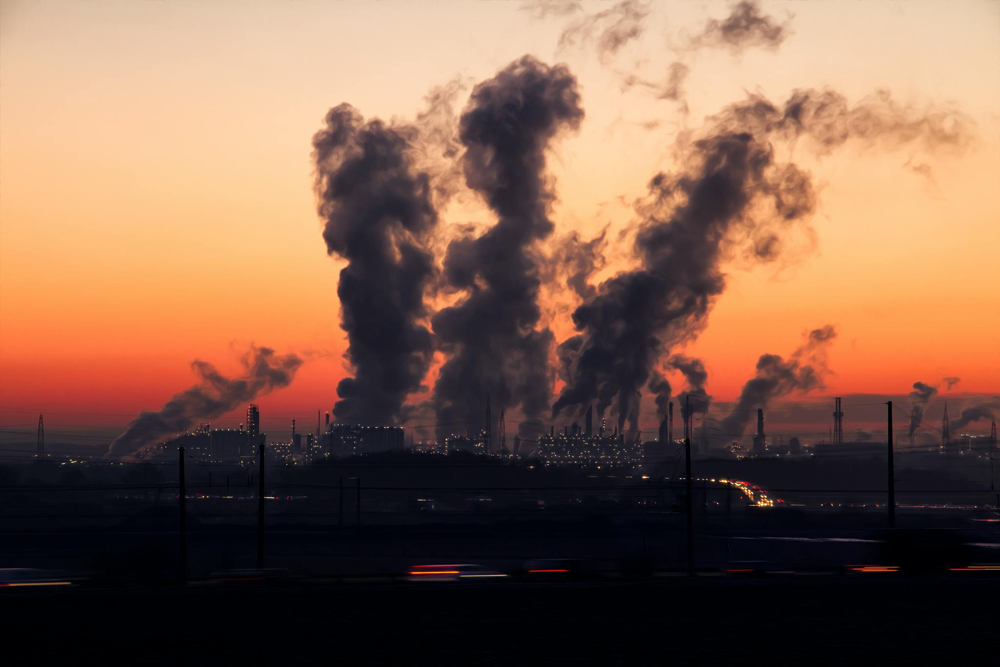
This is a misconception that ceramic insulation coatings are harmful to the environment. Ceramic insulation coatings are made up of low levels of volatile organic compounds (VOCs) reducing the release of harmful substances in the atmosphere considerably contributing to a more sustainable environment. Additionally, their ability to improve energy efficiency implies that ceramic insulation coatings can also reduce carbon footprint.
Myth 4: Ceramic insulation coatings cannot be used on all surfaces
It is often assumed that ceramic insulation coatings can only be applied to limited surfaces. Ceramic insualtion coatings are highly versatile and can be applied to variety of substances including metal, concrete, wood and even existing insulation materials. This adaptibility makes them suitable for numerous applications.
Conclusion
Ceramic insulation coatings act as a powerful tool for improving thermal management and energy efficiency across various applications. By dispelling myths and throwing away our misconceptions, we can harness the true power of ceramic insulation coatings and make the greater choice towards sustainability.
Are you tired of your increasing manufacturing costs? Do you wish to cut down on our energy consumption and save money? Schedule a free one on one consulation with us today to know how we are helping companies save upto 30% of their overall manufacturing costs.